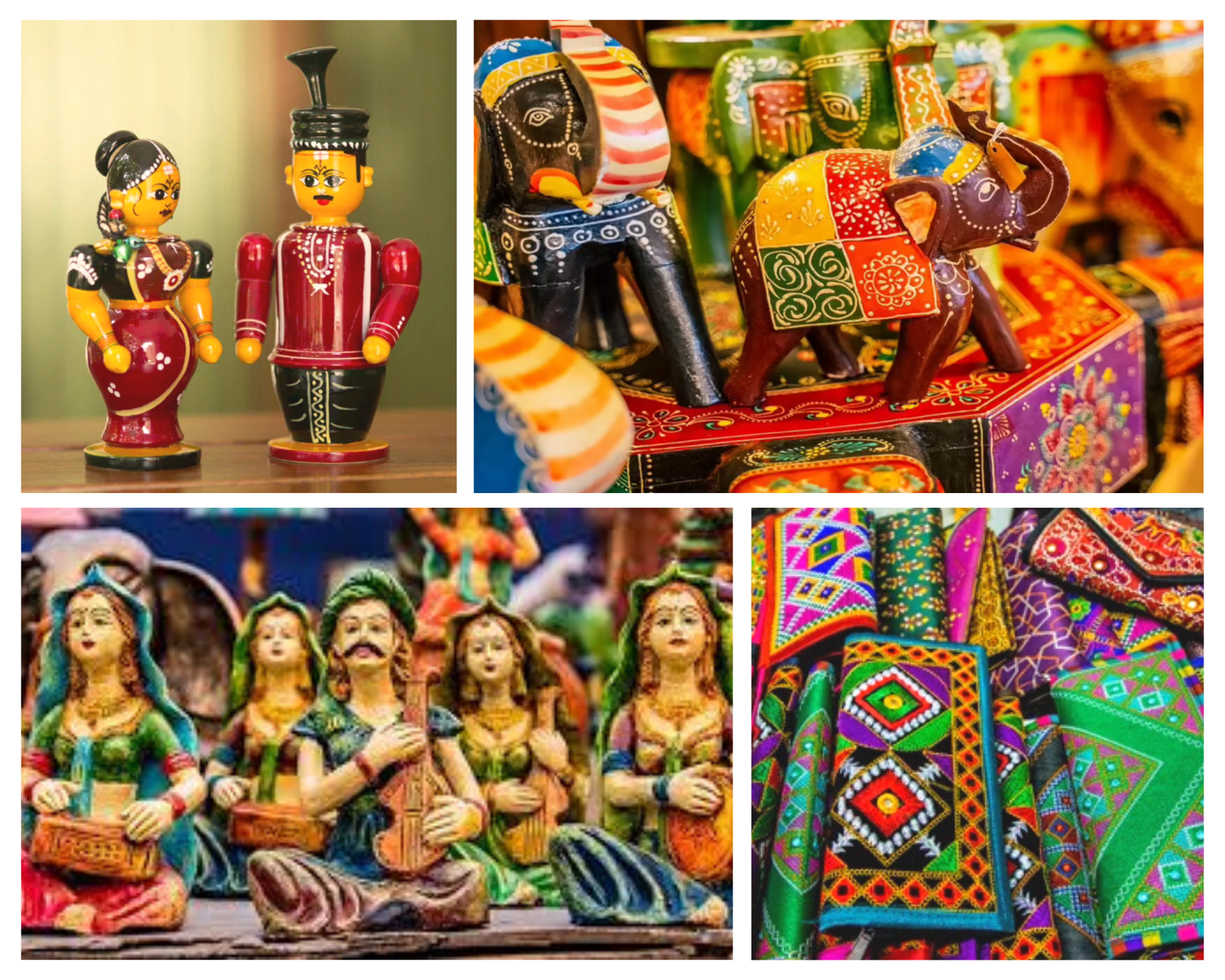
India has always been known as the land of art, culture, and tradition. Among its many treasures, the handicrafts industry stands out as one of the oldest and most vibrant expressions of creativity. Every piece of craft is more than just a product—it’s a story of heritage, skill, and community, woven into the daily lives of millions of artisans across the country..
The Indian handicrafts industry traces its history back to ancient civilizations like the Indus Valley, where artisans shaped pottery, beads, and sculptures. Over centuries, the craft evolved with influences from Mughal, Persian, and colonial designs, enriching India’s artistic diversity. Today, every state has its own unique craft—be it Kashmiri carpets, Rajasthan’s blue pottery, West Bengal’s Shantiniketan leather, or Karnataka’s Channapatna wooden toys.
🛍️ An Industry of Scale and Diversity
The handicrafts sector in India is one of the largest employment generators after agriculture, employing nearly 7 million artisans, many of them women and rural communities. From hand-woven textiles and embroidered fabrics to wood, metal, stone, bamboo, leather, and terracotta crafts—the variety is unmatched.
This diversity makes India the second largest supplier of handicrafts in the world, exporting to countries like the US, UK, UAE, Germany, and beyond. Globally, Indian handicrafts are valued not only for their authenticity but also for their eco-friendly and sustainable appeal.
🌎 Sustainability and Eco-Friendly Appeal
One of the biggest strengths of Indian handicrafts is their sustainable nature. Unlike mass-produced factory goods, crafts are often made using natural raw materials—wood, bamboo, jute, cotton, clay, and vegetable dyes. This makes them eco-friendly, biodegradable, and safe for daily use, appealing to a growing market of conscious consumers who value green living.
📈 Opportunities and Global Reach
The Indian handicrafts market is expected to grow steadily in the coming years, driven by:
E-commerce platforms like Amazon, Flipkart, and Etsy, which have opened new avenues for artisans.
Government initiatives such as “Make in India,” “Skill India,” and handicraft clusters that provide training and support.
Global demand for authentic, handmade, and sustainable products.
💡 Challenges Faced by Artisans
Despite its potential, the industry faces challenges like:
Limited access to modern designs and marketing.
Competition from cheap machine-made imitations.
Inconsistent income and lack of direct exposure to global buyers.
Brands like Krafts & Kreations aim to bridge this gap by bringing authentic crafts directly from artisans to customers, ensuring fair trade, artisan empowerment, and long-term sustainability.
✨ The Future of Indian Handicrafts
With rising global awareness around sustainability, wellness, and cultural authenticity, Indian handicrafts are poised for a revival on the world stage. Every purchase is more than just shopping—it’s a way to preserve India’s heritage, support rural livelihoods, and keep alive centuries-old traditions.
At Krafts & Kreations, we celebrate this spirit by curating authentic, eco-friendly, and handcrafted treasures that carry the soul of India straight into your homes.